The Internal Exit: Evaluating Employee Ownership Before You Sell

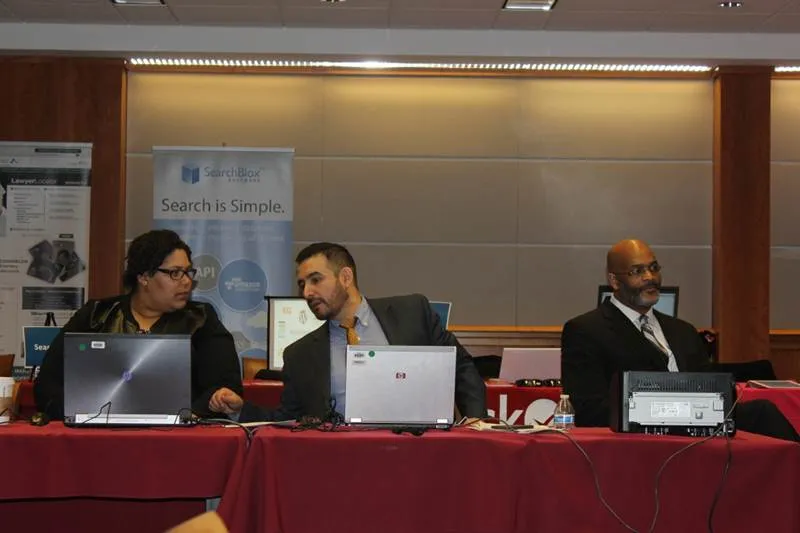
Photo: business succession planning meeting with employee ownership documents, via cdn.prod.website-files.com
For many small business owners, the succession conversation begins with a buyer search and ends with a familiar disappointment. Strategic buyers want scale. Private equity wants a platform. Family members may lack interest or readiness. In 2026, a growing number of owners are examining a third path: selling the company to the people who already run it.
Employee ownership is not a single structure. It is a family of models that transfer partial or full ownership to employees over time. The appeal is practical. Owners gain a succession route. Employees gain a stake. The business gains continuity. The risks are equally practical, and they deserve a clear-eyed evaluation before anyone signs a term sheet.
Why Conventional Exits Stall
A traditional sale usually rewards one thing above all: a credible buyer with financing. That works well for businesses with strong margins, transferable management, and a defensible market position. It works less well for owner-dependent firms, businesses in thin-margin industries, or companies whose value is tied to long-tenured relationships.
Employee ownership changes the question from who will buy this company to whether this company can support employee owners. That shift does not make succession easier. It makes the analysis more specific.
Two Models, Different Mechanics
The employee stock ownership plan
An ESOP is a qualified retirement plan that holds company stock for employees. The company typically borrows money to fund a trust, and the trust buys shares from the selling owner. Employees receive allocations as they vest. The owner may sell all or part of the company.
ESOPs can be used by C corporations and S corporations, though the rules differ. They require professional administration, annual valuation, and a governance structure that balances employee ownership with competent management.
The worker cooperative
A worker cooperative is owned by its employee-members, usually on a one-member, one-vote basis. Members may buy in directly or through retained patronage. Cooperatives can be a good fit for professional service firms, food businesses, and companies with a strong participatory culture. They often require more member education and a durable governance agreement.
The Tax Case, Stated Carefully
Employee ownership can offer meaningful tax advantages, but it is not a tax shelter. A C corporation owner may be able to defer capital gains on a sale to an ESOP if specific conditions are met, including reinvestment requirements. An S corporation ESOP can create income tax benefits for the company and its employee-owners. Cooperatives have their own tax treatment, including patronage deductions in some cases.
The details matter. Eligibility, timing, valuation, and plan design all affect the outcome. Owners should treat tax benefits as a secondary consideration, not the reason to choose a model.
What Ownership Does to Culture
Employee ownership can strengthen retention and morale, but only if employees understand what they own and how they influence decisions. A plan that gives employees economic benefit without a voice may feel like another retirement account. A plan that gives voice without financial literacy may create frustration.
Successful transitions usually include a communication plan, basic business education, and a clear answer to one question: what decisions will employee-owners actually influence? The answer should be honest before the sale closes, not discovered afterward.
The Readiness Test
Before pursuing employee ownership, an owner should assess five areas.
- Financial stability. Can the business support debt service, ongoing operations, and a reasonable return to the seller?
- Management depth. Can the company operate without the owner in daily decision-making?
- Employee interest. Are employees likely to value ownership, and are they willing to participate in governance?
- Valuation discipline. Is there a credible, defensible valuation that both the seller and the buyer can accept?
- Governance capacity. Is there a plan for trustees, board oversight, or member meetings?
A Practical Evaluation Sequence
Start by defining the owner's goals: full exit or partial exit, timing, income needs, and legacy priorities. Then obtain an independent valuation. Model the financing under conservative assumptions. Survey employees about interest and concerns. Assemble advisors with ESOP or cooperative experience, including legal, accounting, and valuation professionals. Finally, compare employee ownership against a conventional sale, a family transfer, and a management buyout.
Common Missteps
Treating an ESOP as a quick tax strategy is a mistake. So is underinvesting in employee education or overleveraging the company to fund the purchase. Another frequent error is weak governance. Employee ownership works best when ownership rights, management authority, and financial expectations are documented and understood.
Where NISBCO Members Find Counsel
Employee ownership is a specialized field, and small business owners should not rely on generalist advice alone. NISBCO member networks can help owners identify peers who have completed ESOP or cooperative transitions, compare professional advisors, and learn where the process tends to slow down. Those conversations do not replace legal and financial counsel, but they improve the questions an owner brings to it.
The internal exit is not the right answer for every business. It is, however, a serious option that deserves evaluation before the owner assumes the only path to liquidity runs through an outside buyer.